Our 2025–2026 Annual Report is here. It covers the third year of ASA's 2023–2028 Strategic Plan, and as of September 2026, 99.06% of the plan's commitments are under way or completed.
The bigger story is what those commitments are turning into.
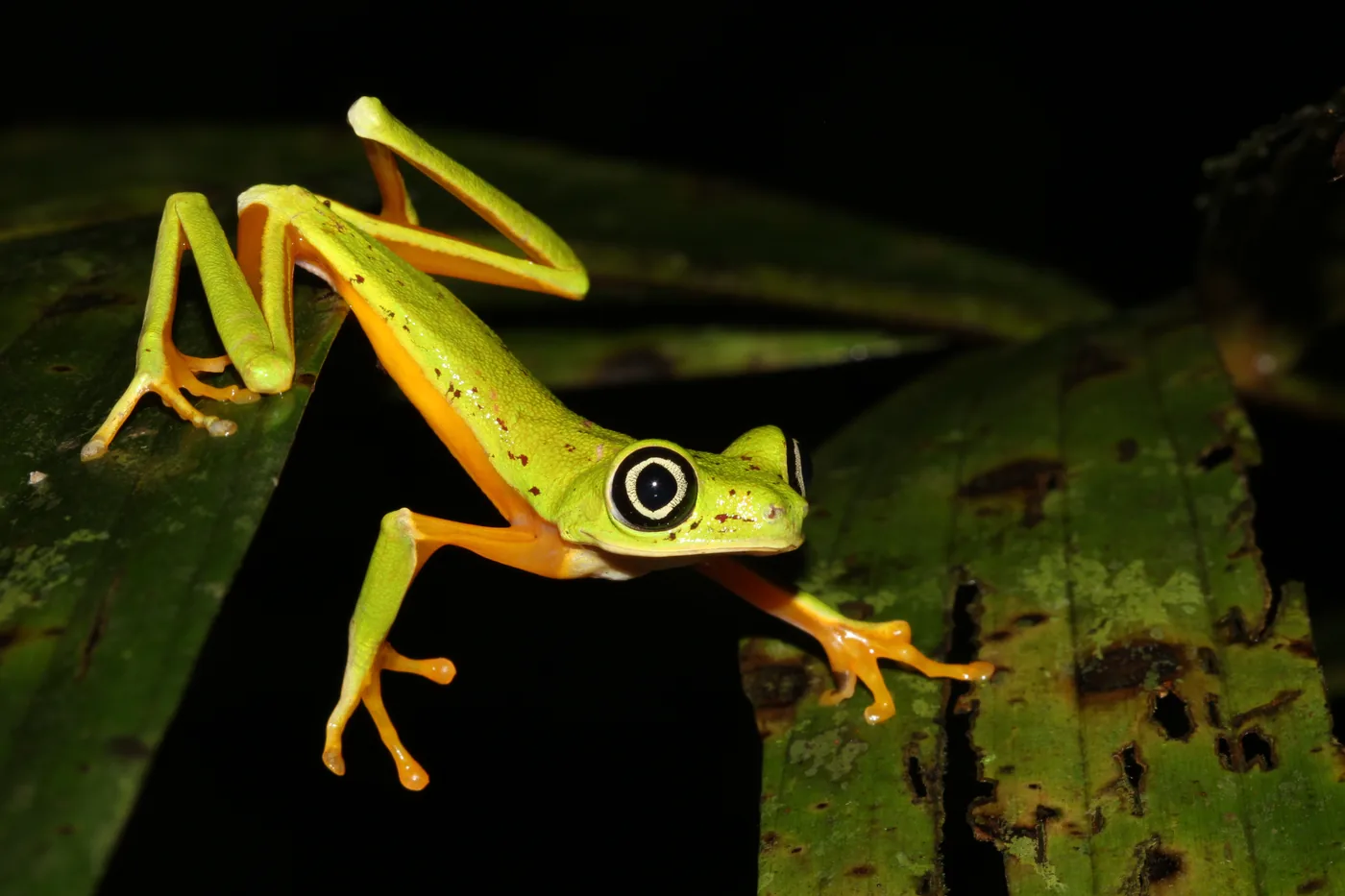
Frogs back in the wild. Two years into the Tropical Amphibian Resilience Initiative (TARI), partners in Colombia, Ecuador, Panama and Venezuela have carried out 24 release events involving eight species, already past the initiative's five-year target of five. In Panama, wild-born Pratt's rocket frog juveniles were found more than a year after translocation: TARI's first evidence that a released population is establishing itself.
Policy that comes with funding. Panama launched its National Key Biodiversity Area (KBA) Assessment through an agreement between MiAmbiente, ASA and the KBA Secretariat. With ASA's support, USD 139,241.50 was mobilized from MiAmbiente for the first phase. That matters for amphibians: 1,631 species qualify as KBA trigger species, making them the third-largest group worldwide after plants and birds.
Skills that stay in the field. Since 2023, ASA has delivered or supported 15 training and planning workshops, reaching at least 85 practitioners with about 2,960 hours of training. This year's two practitioner seminars drew 457 registrations from 94 countries and territories.
Knowledge that travels. In its first three issues, AmphiBios published 86 articles and 19 research highlights from 172 contributors, plus 127 funding, training and event opportunities. The Ribbit Report, launched in February, brings amphibians to children aged 9 to 12 in 10 languages, even offline.
A growing alliance. We have grown from 69 partners in 2023 to 92 today, across 38 countries and all six biogeographic realms. A warm welcome to our newest partners: Museums Victoria Research Institute, Fundación Zoológica de Cali and Fundación Los Naturalistas.
The report also marks a leadership transition. We thank Vivek Menon for six years as Chair of the Global Council, and we welcome Dr. Sugoto Roy as our new Chair.
As our Executive Director, Dr. Gina Della Togna, writes in the report: "Our progress belongs to all of you, and so does the responsibility, and opportunity, to determine what comes next."
Thank you to every partner, donor, Global Council and Advisory Committee member, and practitioner who made this year possible. Amphibian conservation doesn't happen alone.
Read the report
Read the full 2025–2026 Annual Report (PDF)