
Our 2025–2026 Annual Report: from planning to action for amphibians
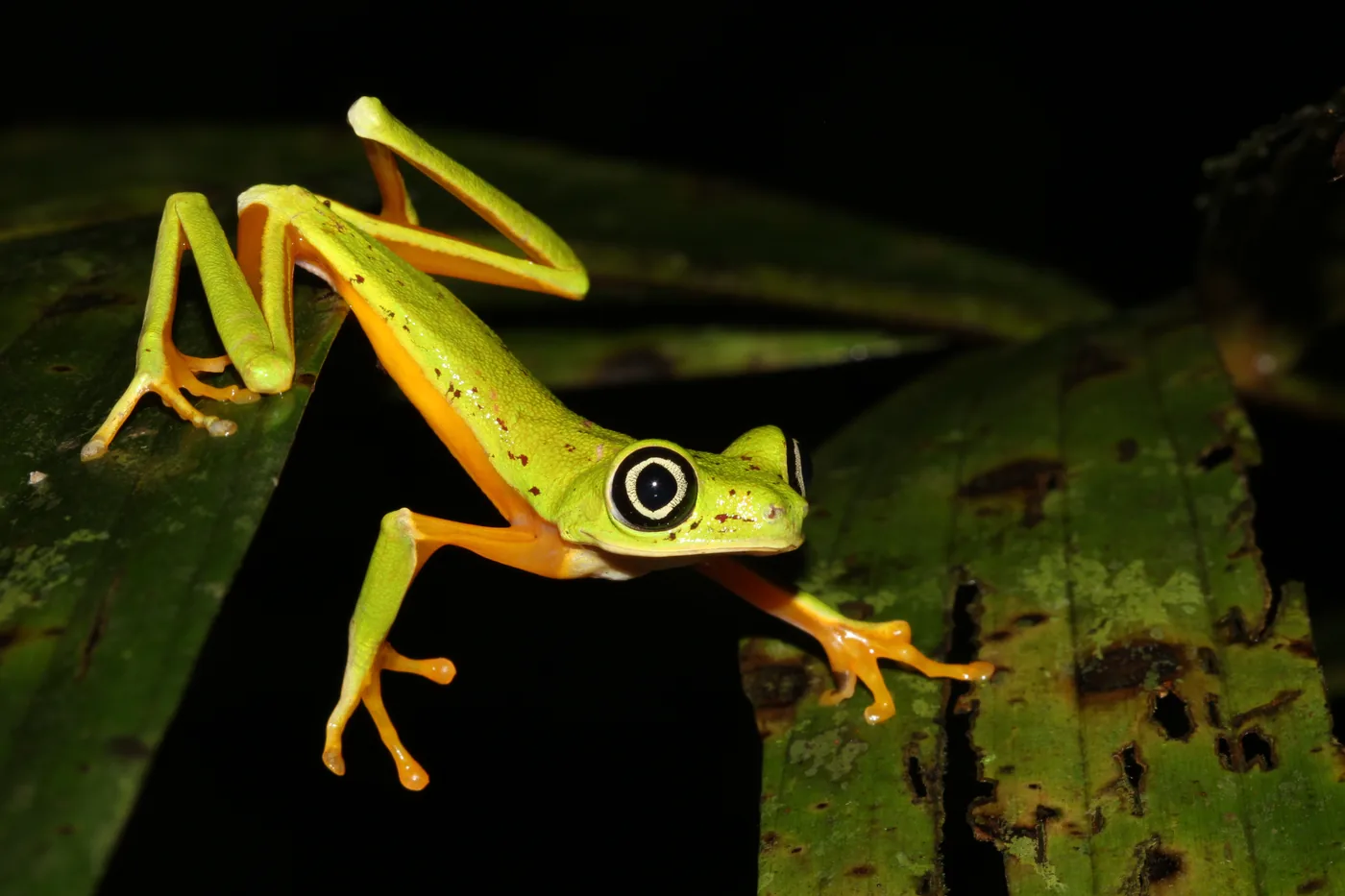
Wild-born rocket frogs in Panama, a national KBA assessment funded, and an alliance now 92 partners strong. Read the year in full.

10,100 readers. 85 contributors. Seven realms. A magazine that did not exist six months ago.
When we launched AmphiBios in March 2026, we made a simple bet: that the people doing amphibian conservation, in the field, in the lab, in classrooms and reserves and government offices, deserved a magazine of their own. Quarterly. Practitioner-led. Built to be read offline, where connectivity is thin and the work is real.
Two issues in, here is what the community has built together.
Issue 1 reached 4,298 readers in its first 21 days. Across both issues, readership has climbed past 10,100, a five-figure practitioner audience built in roughly six months, from zero.
Together, those two issues carried 134 pieces: 58 articles, from field reports and long-form features to opinion and success stories; 71 opportunities, the grants, jobs, courses, and events that keep a community moving; and 5 scientific publications featured with citations through our From the Journals section.
Behind those pages are 85 contributors, drawn from 26 organizations and spanning seven biogeographic realms, from the Neotropics to the Palearctic. The articles touched 12 of the 13 chapters of the ACAP conservation framework, led by the everyday work of the field: surveys and monitoring, communication and education, and habitat loss.
The number we are proudest of is quieter than the rest. Of the 48 people who contributed to Issue 2, 37 were writing for AmphiBios for the first time. The masthead is not just repeating. It is widening.
AmphiBios exists for the people who survey, fund, teach, and decide. It is engineered to be read offline, in the field, so that a ranger in a remote reserve and a researcher between grants can reach the same stories. It is not an academic journal, and not a newsletter. It is where the community behind the science finds each other.
We are now building Issue 3, and we would love your contribution.
If you work in amphibian conservation, this magazine is for you, and contributing is meant to be simple. A piece can be:
Nothing needs to be polished or long. If you have the seed of a story, we will help you shape it. And if the story that comes to mind is not yours to tell, point us toward the person who can. Some of our best pieces began as an introduction. Just email Candace M. Hansen, ASA’s Programs Director and AmphiBios Editor-in-Chief at cmhansen@amphibians.org.
Submissions for Issue 3 close on August 25, 2026, and the issue publishes in September.
Start here: submit.amphibios.app
Author guidelines: amphibios.app/guidelines
A magazine that did not exist six months ago is now a place the amphibian community gathers. Come help us build the next chapter.
Wild-born rocket frogs in Panama, a national KBA assessment funded, and an alliance now 92 partners strong. Read the year in full.

AmphiBios Issue 3 follows amphibians through restored wetlands, classrooms, working landscapes, laboratories, and art spaces, bringing practical conservation, research, and community experience together in a web-first issue built to be found, shared, and used.
AmphiBios returns with 23 articles and 5 featured studies from the journals, by contributors across 21 countries and six continents. Searchable, shareable, and instantly translatable. Explore Issue 2 now.