10 Years of Key Biodiversity Areas: A Global Review of the Places That Matter Most
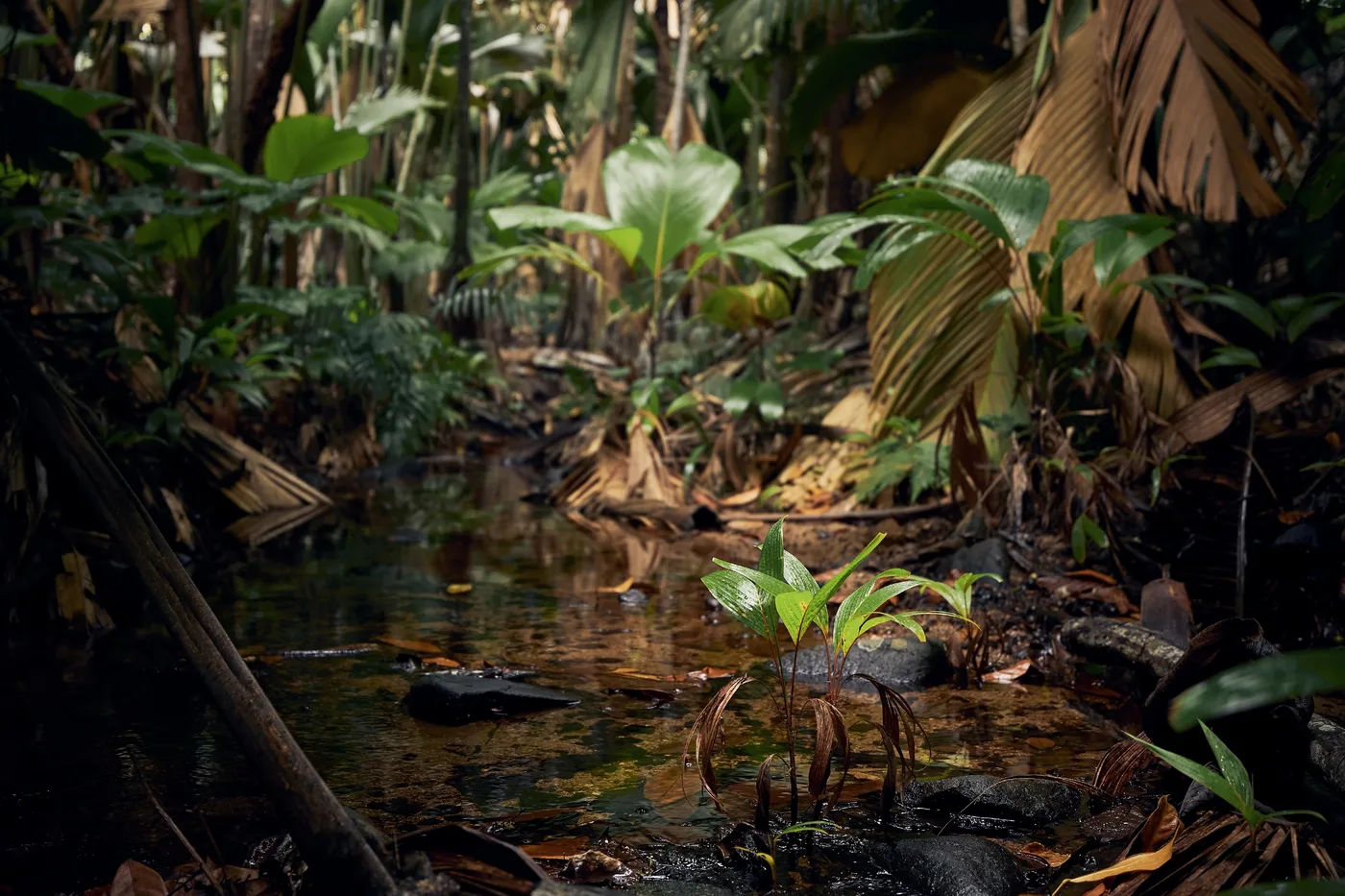
A new paper published yesterday in Biological Reviews offers the most comprehensive review to date of Key Biodiversity Areas (KBAs) — the globally recognized network of sites that contribute significantly to the persistence of biodiversity on Earth.
Co-authored by ASA Executive Director Gina Della Togna alongside researchers from BirdLife International, IUCN, Re:wild, WWF, WCS, and dozens of other organizations, the paper marks 10 years since the launch of the global KBA Standard in 2016.
What the Paper Found
The global KBA network now includes:
KBAs range in size from 0.001 km² to over 712,000 km², spanning terrestrial, freshwater, marine, and subterranean environments. Nearly half qualify for their importance to biological processes such as demographic aggregations, and 39% for geographically restricted species.
For Amphibians, KBAs Are Lifelines
Among all qualifying species, amphibians represent 9% — the third most represented vertebrate group, after birds and plants. Given that amphibians are the most threatened vertebrate class globally, with 41% of species at risk of extinction, their presence in the KBA network is both significant and essential.
Amphibians are often restricted to small ranges, highly sensitive to environmental change, and dependent on intact freshwater and terrestrial ecosystems — exactly the kind of habitats that KBAs are designed to identify and protect. For many species, these sites aren’t just important. They are the last places where populations persist.
Threats to KBAs
The paper documents the major pressures facing KBAs, many of which directly threaten amphibian populations:
KBAs and Global Policy
The review highlights the growing integration of KBAs into conservation policy at every level. KBAs are central to Target 3 of the Kunming-Montreal Global Biodiversity Framework, and KBA-based indicators are now used by the Convention on Biological Diversity and the United Nations to track progress toward global biodiversity targets. Governments, donors, and the private sector are increasingly using KBAs to guide biodiversity-positive action and assess exposure to nature-related risks.
ASA's Role
The Amphibian Survival Alliance has been a member of the KBA Partnership since its founding in 2016, working alongside BirdLife International, IUCN, Conservation International, Re:wild, WWF, WCS, and others to ensure that amphibians are fully represented in site-based conservation planning.
For species that depend on specific places to survive, KBAs provide the science-based, globally recognized framework to identify and safeguard those places. Protecting amphibians means protecting the sites that sustain them.
Read the full paper: Butchart et al. (2026) in Biological Reviews